Warp Terminal Goes Open Source: AI-Driven Development Model Unveiled
Breaking: Warp Terminal Now Open Source
Warp, the modern terminal and agentic development environment built in Rust, has released its entire client codebase as open source. The repository is now live on GitHub, inviting community participation under a split licensing model—MIT for UI crates, AGPLv3 for the rest.
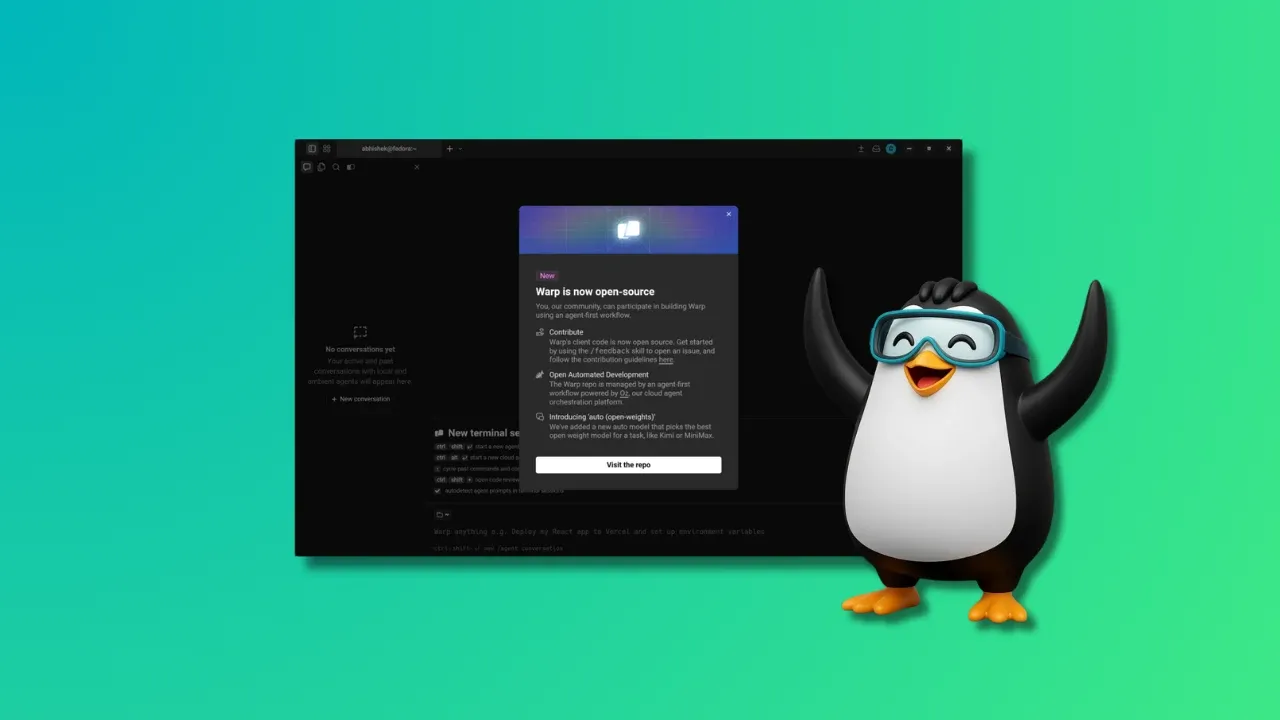
“Open-sourcing is fundamentally coming from our desire to build a successful business,” said Zach Lloyd, CEO of Warp. “We are competing with other highly funded, closed-source competitors, and we think opening and providing the resources for the community to improve Warp is a smart way for us to accelerate product development.”
The Agentic Contribution Model
Warp is redefining open-source collaboration. The company believes that writing code is no longer the bottleneck—instead, human-led tasks like deciding on features and verifying behavior take the most time. To solve this, Warp is turning to AI agents for implementation while human contributors focus on ideas, spec work, and review.
The new workflow relies on Oz, Warp's cloud agent orchestration platform announced earlier this year. Oz runs multiple coding agents in parallel in the cloud, giving contributors full visibility and control. “We are now confident enough that Oz-generated code, guided by our own rules and verification processes, puts contributors in a good position to get features right,” the company stated.
Background: What Is Warp?
Warp is a Rust-based terminal and agentic development environment that runs on Linux, Windows, and macOS. It features a block-based command interface and native support for AI coding agents like Claude Code, Codex, and Gemini CLI. The open-source release includes a settings file for programmatic control and easier portability across devices.
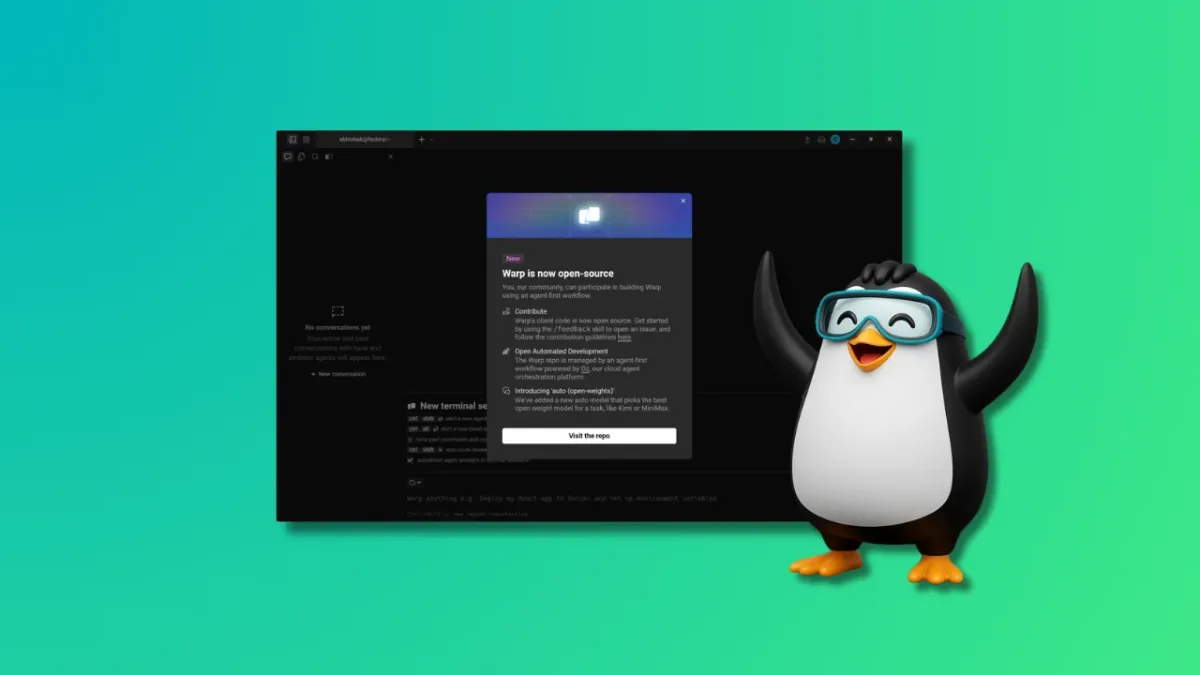
Today’s announcement also expands open-source model support. Warp now integrates Kimi, MiniMax, and Qwen, plus a new “auto (open)” routing option that selects the best open model for a given task.
What This Means
By open-sourcing its client and embracing AI-driven contributions, Warp is directly challenging established players like iTerm2 and Hyper. The move aims to accelerate feature development while keeping control through Oz and OpenAI—the founding sponsor of the repository, with contributions powered by GPT models.
For developers, this signals a shift in how open-source projects can operate: less manual coding, more agentic implementation. Warp’s approach may set a precedent for other tools seeking to leverage AI without losing community engagement. The company is clear that other coding agents are welcome, but “Warp would rather you use Oz, which already has the right context and checks baked in for this workflow.”
Suggested Read: Ubuntu is Betting on AI