NASA's STORIE Mission Set to Decode Earth's Mysterious Ring Current: Launch Imminent
Breaking News: NASA Prepares to Unveil Secrets of Earth's Ring Current
NASA's STORIE (Storm Time O+ Ring current Imaging Evolution) mission is scheduled for launch in May 2025 aboard the 34th SpaceX commercial resupply mission to the International Space Station (ISS). The instrument will provide an unprecedented, inside-out view of Earth's ring current—a doughnut-shaped swarm of charged particles that plays a critical role in space weather.
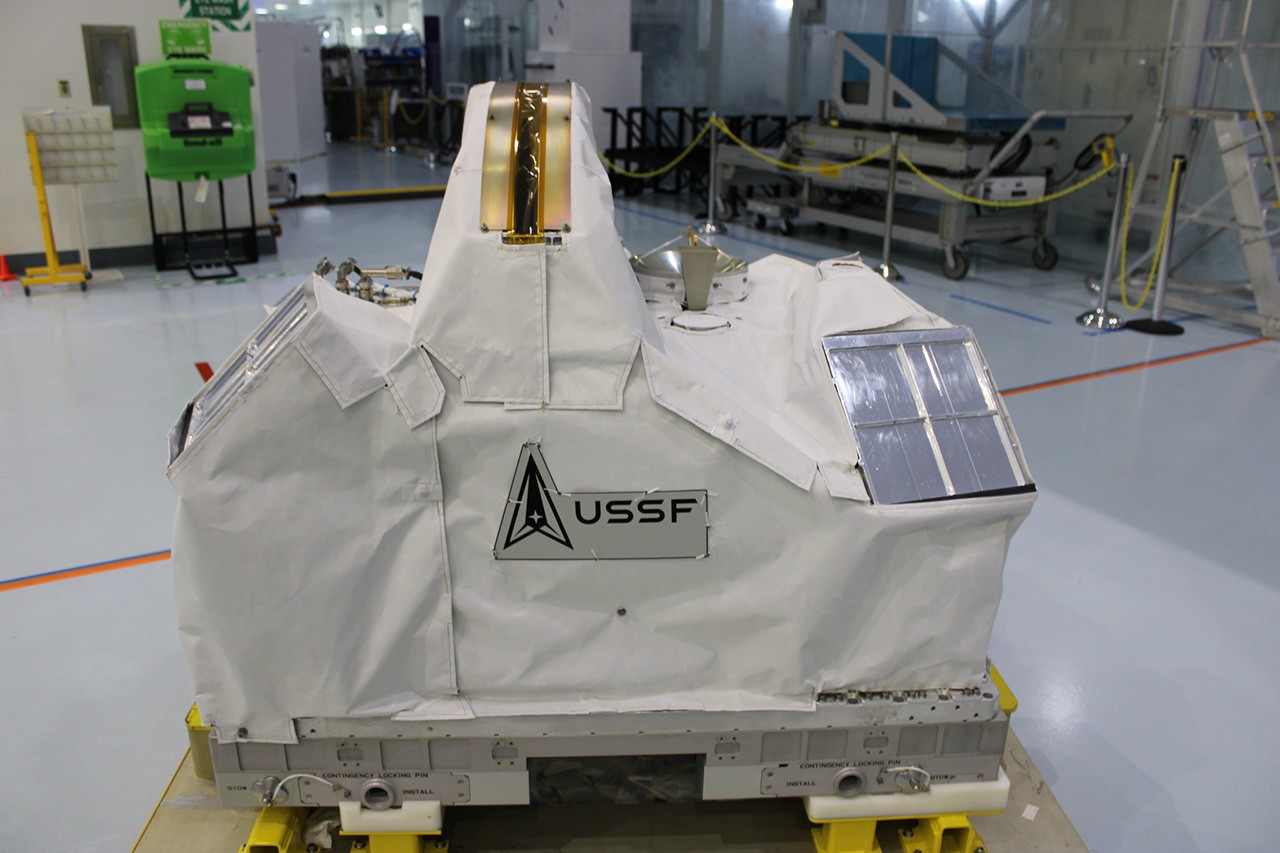
Once robotically installed on the ISS exterior, STORIE will observe how the ring current grows, shrinks, and evolves during solar storms. This data is essential for protecting satellites, power grids, and pipelines from harmful space weather effects.
Expert Insight
"These particles have important space weather impacts," said Alex Glocer, STORIE's principal investigator at NASA's Goddard Space Flight Center. "We want to understand how that trapped population is built up, and where it comes from."
Glocer emphasized that during solar storms, the ring current fluctuates more dramatically than the Van Allen radiation belts, making it a key driver of magnetic disturbances on Earth.
Background: What Is the Ring Current?
Earth's magnetic field acts like a trap, capturing electrically charged particles from space into an invisible, doughnut-shaped region called the ring current. This region overlaps the outer Van Allen radiation belt but contains lower-energy particles.
In the ring current, positively and negatively charged particles flow in opposite directions, creating electrical currents. Changes in this current can lead to magnetic fluctuations and induced currents on the ground, potentially affecting pipelines and power lines.
What This Means: Impacts on Technology and Space Weather Prediction
The ring current contributes to charge buildup on satellite surfaces, which can spark glitches. Understanding its behavior is crucial for improving space weather forecasts, which protect critical infrastructure.
STORIE's observations will help answer long-standing questions about the ring current's composition (especially oxygen ions) and its response to solar storms. This knowledge will enable better predictions of magnetic storms and their effects on Earth.
Key Details
- Launch: May 2025, via SpaceX CRS-34 to ISS.
- Installation: Robotically placed on ISS exterior within days of arrival.
- Partnership: U.S. Space Force Space Test Program (STP-H11) and NASA.
- Duration: Expected to operate for at least one year, covering multiple solar storm events.
"This is a unique opportunity to get an inside-out view of a phenomenon that directly affects our technology," Glocer added. "Every solar storm teaches us something new."
Follow updates on this breaking story as STORIE prepares for launch. Read more about the ring current and what this means for space weather.