Unraveling the $573 Million Web: A Step-by-Step Guide to Elon Musk's Intercompany Transactions
Introduction
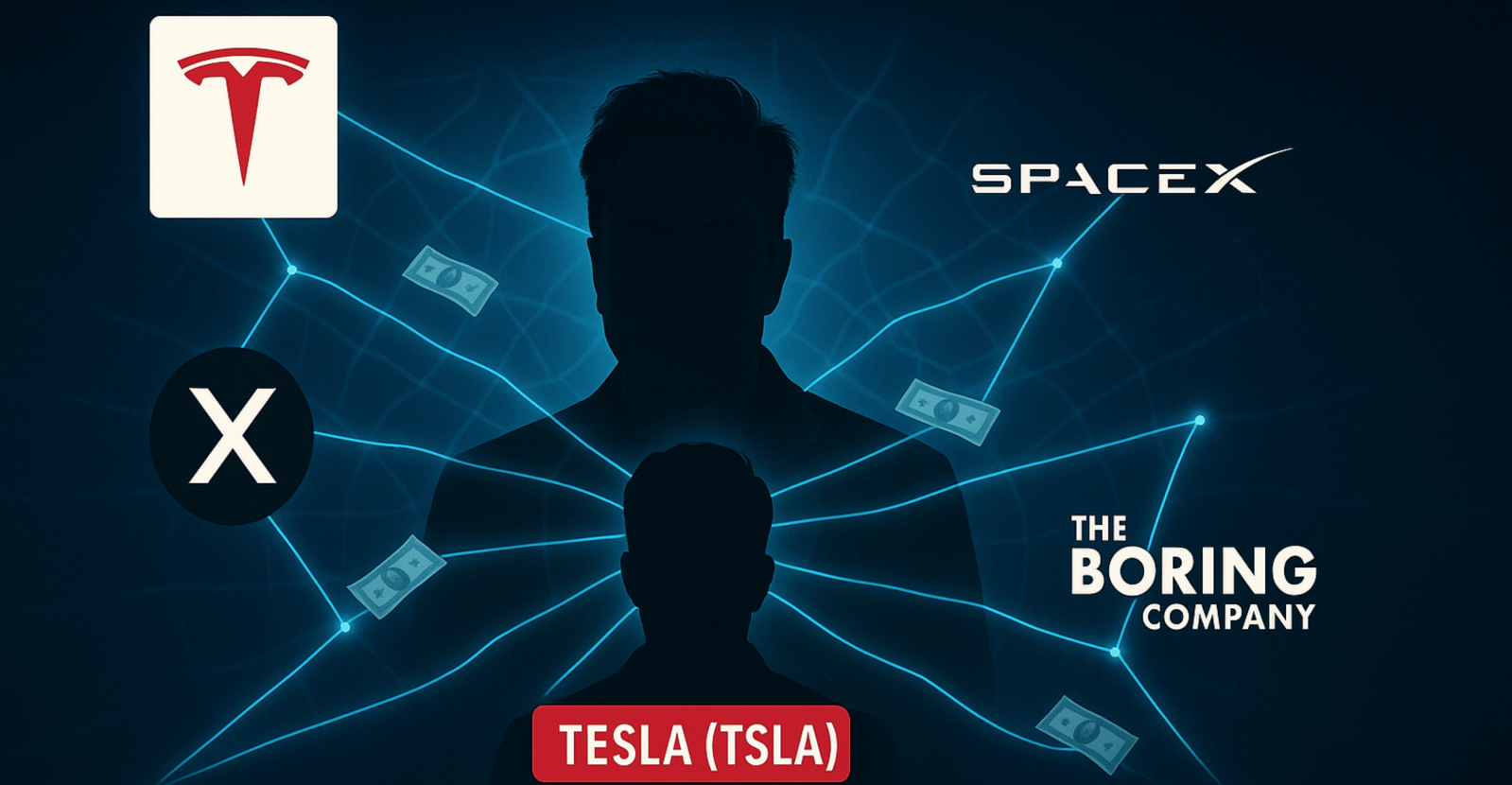
When Tesla filed its amended annual report (10-K/A) with the SEC on April 30, it revealed a startling network of financial dealings between Elon Musk's various companies. The filing disclosed $573 million in revenue from SpaceX and xAI alone, plus millions in expenses flowing to X, The Boring Company, and Musk's personal security firm. This guide will walk you through how to analyze these intercompany transactions step by step, so you can understand the full scope of Musk's corporate empire trading with itself.
What You Need
- Access to the SEC EDGAR database – to retrieve Tesla's 10-K/A filing (use Step 1 below).
- Basic financial literacy – familiarity with terms like revenue, expenses, related-party transactions, and SEC filings.
- Spreadsheet software (optional) – to organize and cross-reference figures (Excel, Google Sheets).
- A list of Musk's companies: Tesla, SpaceX, xAI, X (Twitter), The Boring Company, and the personal security firm (note: name not specified in filing).
- Patience and a critical eye – these transactions can be complex and often raise questions about corporate governance.
Step-by-Step Guide
Step 1: Locate the Relevant SEC Filing
Go to the SEC's EDGAR database (www.sec.gov/cgi-bin/browse-edgar). Search for Tesla, Inc. (CIK 1318605) and filter for filings dated April 30. Look for the 10-K/A (amended annual report). Open the filing and scroll to the section on Related Party Transactions. This is where all intercompany deals with Elon Musk's other entities are disclosed.
Step 2: Identify All Related Parties Mentioned
Read the filing carefully to list every entity that transacts with Tesla through Musk's ownership or control. The key players in this filing are:
- SpaceX – aerospace and satellite company.
- xAI – artificial intelligence startup.
- X Corp (formerly Twitter) – social media platform.
- The Boring Company – tunnel construction firm.
- Musk's personal security firm (name undisclosed, but expenses paid by Tesla).
Also note any other entities like SolarCity (though now part of Tesla, historical transactions may appear).
Step 3: Quantify Revenue Generated from SpaceX and xAI
According to the filing, Tesla earned $573 million in revenue from SpaceX and xAI combined. Break this down: look for specific line items like "sales of products and services" to these companies. Check footnotes for details – often revenue is from battery packs, Starlink hardware, or AI compute services. Record the exact figures for each company if disclosed.
Step 4: Track Expenses Paid to Other Musk Entities
Now examine the opposite side – expenses Tesla paid to X, The Boring Company, and the security firm. The filing notes "millions more in expenses flowing to X, The Boring Company, and Musk's personal security firm." Find these amounts in the Related Party Transactions table. Typical expenses may include advertising on X, tunnel services from Boring Co., and security personnel costs. Be aware that some expense categories may be aggregated, so read the notes.
Step 5: Analyze the Net Effect on Tesla's Financials
Calculate the net impact: $573 million in revenue minus the expenses. This gives a net positive revenue inflow from Musk's companies to Tesla. But consider the potential for conflicts of interest – are these transactions at arm's length? Compare to market rates for similar services if possible. Also note that revenue from SpaceX and xAI may be treated as related-party revenue, which investors often discount for risk.

Step 6: Cross-Reference with Other Musk Company Filings
If available, check SpaceX's financial disclosures (SpaceX is private, but may have some public info through SEC filings for debt offerings) or xAI statements. This can reveal the other side of the transactions – e.g., what did SpaceX pay for those Tesla products? Consistency helps verify the numbers. Also look at X Corp's filings (via Fidelity or other investors) for expenses paid to Tesla.
Step 7: Assess Implications for Tesla Shareholders
Finally, draw conclusions. The $573 million web shows how intertwined Musk's businesses are. Key questions: Are these transactions benefiting Tesla or Musk's other ventures? Do they represent fair value? The fact that Tesla is providing goods/services to SpaceX and xAI suggests a symbiotic relationship, but expenses to X and Boring Co. raise concerns about potential self-dealing. Review Tesla's audit committee approval and compare to industry norms.
Tips for Success
- Read the footnotes – SEC filings always hide important details in footnotes and management discussion. Don't skip them.
- Use comparison with prior years – The 10-K/A amends a previous filing; check if these figures changed or if new transactions appeared. A trend analysis can reveal growing or shrinking ties.
- Watch for non-monetary transactions – Sometimes services are bartered or valued in stock. The filing may mention such arrangements.
- Consider regulatory scrutiny – The SEC and whistleblowers often examine related-party deals. If amounts seem high, there may be legal risks.
- Consult a professional – If you're an investor, discuss these findings with a financial advisor or analyst who understands corporate governance.
- Remember context – $573 million is large but relative to Tesla's total revenue (over $96 billion in 2024), it's about 0.6%. Still, it's material enough to warrant attention.
By following these steps, you can decode the financial web revealed in Tesla's amended filing and make informed decisions about the company's governance and financial health.