Why NASA's Science Missions Are Declining Despite Cheaper Access to Space
The Paradox of Falling Missions in an Age of Abundant Launch Options
Space has never been more accessible. Thanks to a wave of commercial rockets—many with reusable boosters, led by SpaceX’s workhorse Falcon 9—the cost of reaching orbit has plummeted. Yet NASA is launching fewer telescopes and planetary science missions today than it did a quarter-century ago. How can that be? The answer lies not in a lack of money or technology, but in shifting priorities and bureaucratic realities.
The Budget Picture: Stable but Not Growing
Contrary to what one might assume, funding isn’t the primary culprit. NASA’s science budget for fiscal year 2025 stands at $7.25 billion—roughly the same as it was in 2000 after adjusting for inflation. This stability comes despite repeated attempts by the Trump administration to slash science funding. The agency has managed to hold the line, but flat budgets mean no new room for major initiatives.
A Shift in Focus Under New Leadership
The early months of NASA Administrator Jared Isaacman’s tenure have been dominated by human spaceflight and lunar exploration—a trend that began well before he took office. Isaacman, who became chief in December 2024, quickly moved to overhaul the Artemis program. Building on the success of the Artemis II mission, which carried four astronauts around the Moon last month, he announced a major restructuring: canceling the planned lunar orbital station (Gateway) in favor of constructing a base directly on the lunar surface. This pivot signals that crewed exploration, not science, is the agency’s top priority.
Why Science Missions Take a Back Seat
When a NASA administrator dedicates most of their political capital to human spaceflight, science missions often suffer—not because they are deliberately starved, but because the agency’s organizational energy follows the leader’s vision. Large science projects require years of advocacy, funding continuity, and coalition-building. A shift in focus from planetary science to Moon bases can stall new proposals for interplanetary probes, space telescopes, and Earth observation satellites.
Furthermore, commercial rockets like the Falcon 9 have dramatically lowered launch costs, but the development of science payloads remains expensive. A $7.25 billion budget can still only support a handful of flagship missions, each costing $1 billion or more. With NASA’s science office also absorbing inflationary pressures and rising labor costs, the number of new starts has naturally declined.
Comparing Then and Now: Fewer Missions, Higher Hopes
In the late 1990s and early 2000s, NASA routinely launched several science missions per year—from Mars rovers to space telescopes. Today, even a single major planetary mission can take a decade to go from concept to launch. The result: a slower cadence that frustrates scientists and the agency’s own science chief. As one senior official recently lamented, private-sector thinking could help NASA build “mass-produced satellites” that cost less and fly more often.
The Path Forward: Mass Production and Public-Private Partnerships
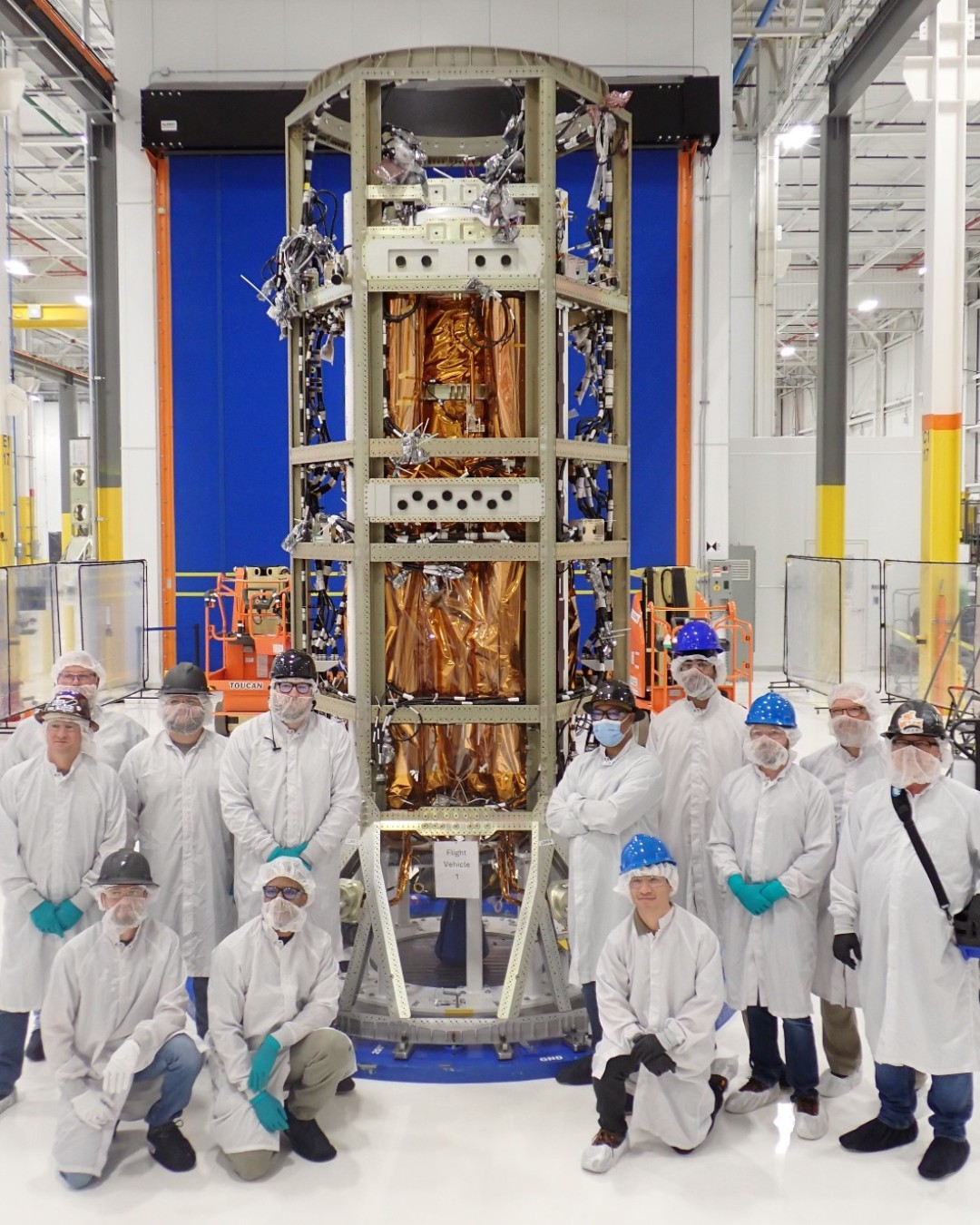
Some inside NASA are pushing for a new approach inspired by the commercial sector: standardized satellite buses, repeated designs, and assembly-line production. The idea is to move away from bespoke, one-of-a-kind spacecraft toward fleets of identical or similar platforms. This would reduce costs per unit and allow NASA to launch many more smaller, focused missions—much like SpaceX builds multiple Falcon 9 rockets rather than unique vehicles.
Isaacman’s focus on the Moon doesn’t preclude such innovations, but it does mean he may have less time to champion them. The real test will be whether NASA’s science division can carve out a sustainable path that leverages cheap launch access while also rebuilding the pipeline of new missions. For now, the agency remains caught between a past of frequent launches and a future that could be just as active—if the right priorities and investments are made.
This article is part of ongoing coverage of NASA’s evolving space strategy. See also: Budget trends and New leadership priorities.