Googlebook: The Android-Powered Laptop That Could Replace Chromebook
Introduction
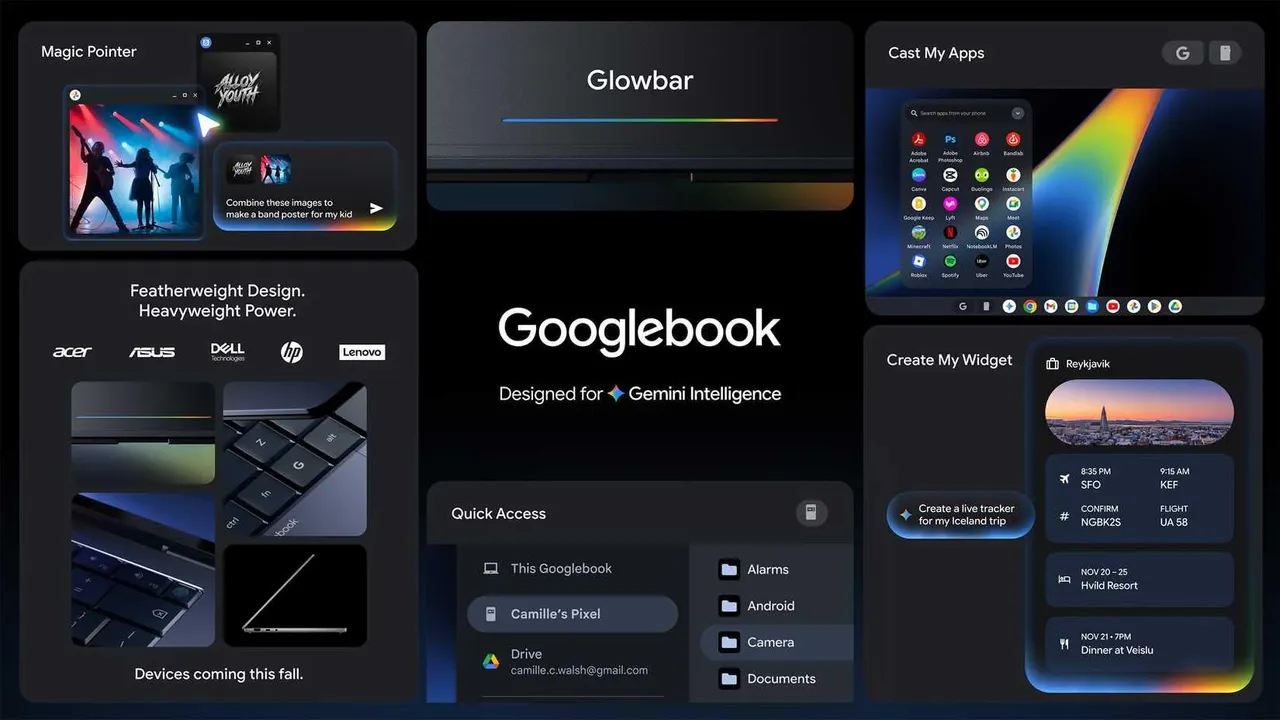
Google has long been a key player in the laptop market with its Chromebook line, but a new leak suggests that the company is preparing a major shift. Dubbed the "Googlebook," this upcoming platform is designed to succeed the Chromebook, bringing Android as its core operating system and integrating deeply with Google's Gemini AI. According to leaked details, the Googlebook will emphasize seamless connectivity with other Android devices and feature a unique "Glowbar" that reacts dynamically to system activity. This article explores what we know so far about this intriguing new platform and what it could mean for the future of portable computing.
What Is the Googlebook Platform?
The Googlebook is not just a single laptop model but a new platform—similar to how Chromebooks are built on ChromeOS. However, instead of ChromeOS, the Googlebook runs a version of Android that is optimized for laptop form factors and equipped with enhanced desktop capabilities. The platform is purpose-built for "Gemini Intelligence," meaning it leverages Google's advanced AI assistant directly within the operating system. This represents a departure from Chromebooks, which rely on web-based apps and cloud storage. With Android, users gain access to millions of mobile apps, robust offline functionality, and native support for Android accessories like smartwatches and earbuds.
Key Features of the Googlebook
Native Android Device Integration
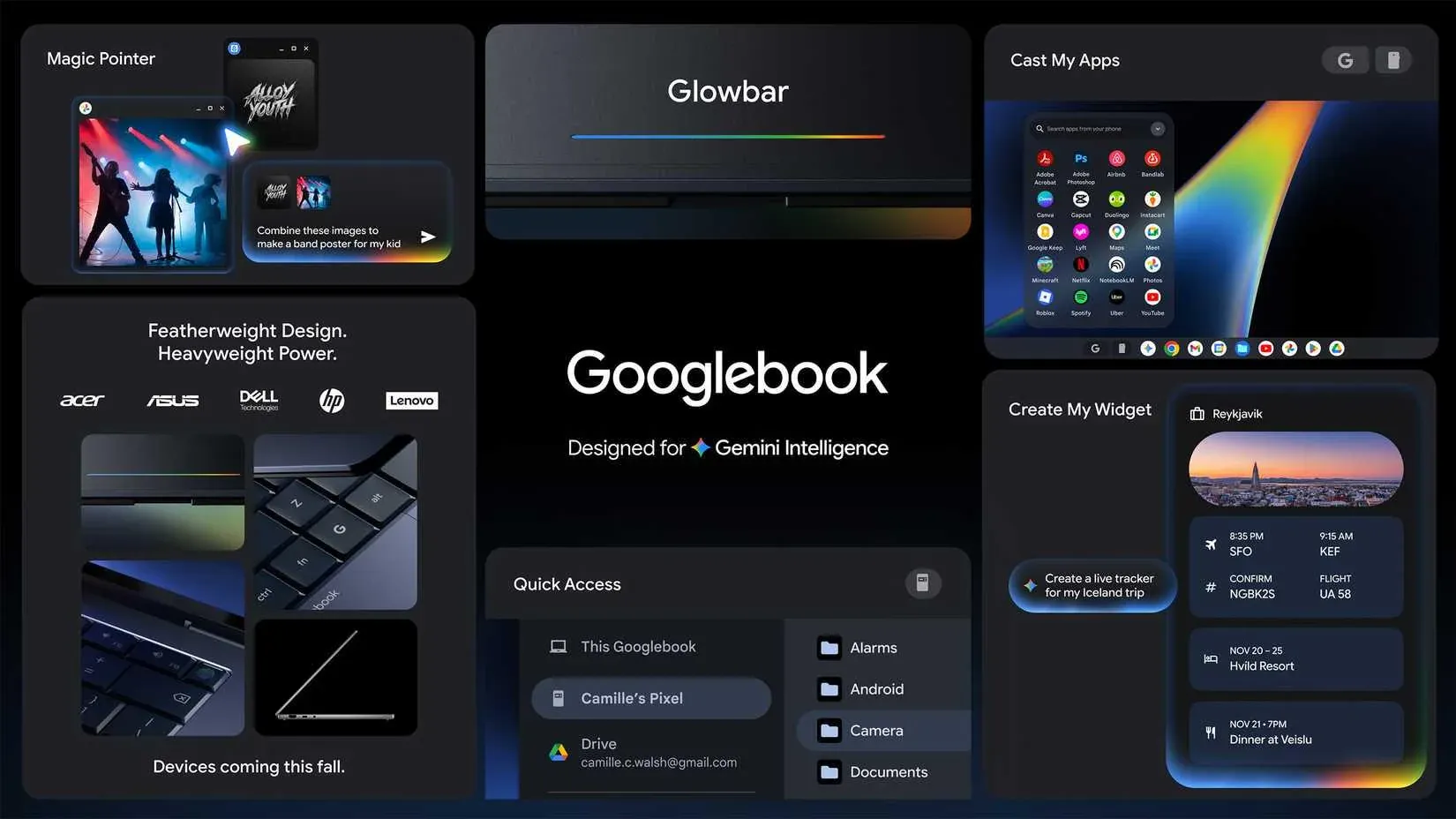
One of the most touted features is native integration with Android smartphones and tablets. The Googlebook will likely allow instant cross-device file sharing, notification mirroring, and even the ability to run mobile apps on the big screen. This ecosystem harmony is something Chromebooks have attempted with Phone Hub, but a full Android OS could take it much further—think drag-and-drop files between phone and laptop, or seamless Wi-Fi hotspot tethering without additional setup.
The Glowbar: An Intelligent Light Strip
The leak highlights a "Glowbar"—a physical light strip, likely positioned above the keyboard or along the hinge, that dynamically reacts to what the Googlebook is doing. For instance, when the system is processing a voice command through Gemini, the Glowbar might pulse with a specific color. During video calls, it could indicate microphone or camera activity. This is similar in spirit to the MacBook's Touch Bar but focuses on ambient feedback rather than function keys. The Glowbar adds a layer of visual communication that makes the laptop feel more alive and responsive.
Designed for Gemini Intelligence
Every aspect of the Googlebook is meant to work hand in hand with Gemini. According to the leak, the platform is "designed for Gemini Intelligence," implying that the AI assistant will be deeply embedded—not just as an app but as a system-level service. Users might summon Gemini with a dedicated key, ask questions, generate content, control settings, or even instruct it to organize files. This could position the Googlebook as a serious competitor to Apple Intelligence or Microsoft Copilot+ PCs.
How Does It Compare to Chromebook?
Chromebooks have been successful in education and budget markets due to their simplicity, security, and low cost. However, they rely heavily on a stable internet connection and web apps. The Googlebook aims to preserve those strengths while addressing key limitations:
- App Ecosystem: Unlike Chromebooks, which run Android apps in a compatibility layer, the Googlebook runs native Android apps directly—no performance penalties or scaling issues.
- Offline Utility: Android has a rich history of offline apps for productivity, gaming, and media, which Chromebooks lack.
- AI Integration: ChromeOS now has some AI features, but Gemini on the Googlebook is said to be foundational and not bolted on.
The Glowbar is also a distinctive hardware addition not found on any Chromebook. However, it remains to be seen whether the Googlebook will support Linux or have the same enterprise-level security features that made Chromebooks popular in schools.
The Role of Gemini AI in the Googlebook
Gemini is Google's most advanced AI model, capable of text generation, image recognition, and contextual understanding. On the Googlebook, it could transform how users interact with their laptop. For example, instead of clicking through menus, you might say, "Hey Google, create a folder called 'Project Phoenix' and move all documents from last week into it." Or, during a video call, Gemini could automatically adjust lighting and background based on the environment. The Glowbar likely acts as a visual cue for when Gemini is listening, processing, or responding—making the AI experience more tangible.
Given that Googlebook is positioned as a successor to Chromebook, it's likely that Gemini will also handle tasks like summarizing web pages, generating email drafts, or organizing calendar events across devices. This level of integration could set a new standard for laptop AI assistants.
Conclusion
The Googlebook leak presents an exciting vision for the future of laptops—one where Android's versatility meets Google's AI prowess. By replacing ChromeOS with a purpose-built Android environment, Google is betting that users want a more native, interconnected experience. The Glowbar, though a small detail, symbolizes a shift toward ambient intelligence in hardware design. While Chromebooks remain reliable for many, the Googlebook could usher in a new era of portable computing that is smarter, more personal, and deeply integrated with the Android ecosystem. As we await the official reveal, it's clear that Google is looking beyond the web browser toward a fully AI-enhanced future.