Alaska's Gigantic Landslide Tsunami: 7 Crucial Insights
In August 2025, a colossal landslide in Alaska's Tracy Arm fjord unleashed a tsunami reaching nearly 500 meters high, making it the second tallest ever recorded. Yet few people know about it because it struck in a remote area early in the morning. Here are seven key things you need to understand about this extraordinary event and why it serves as a stark warning.
1. The Monster Slab That Fell
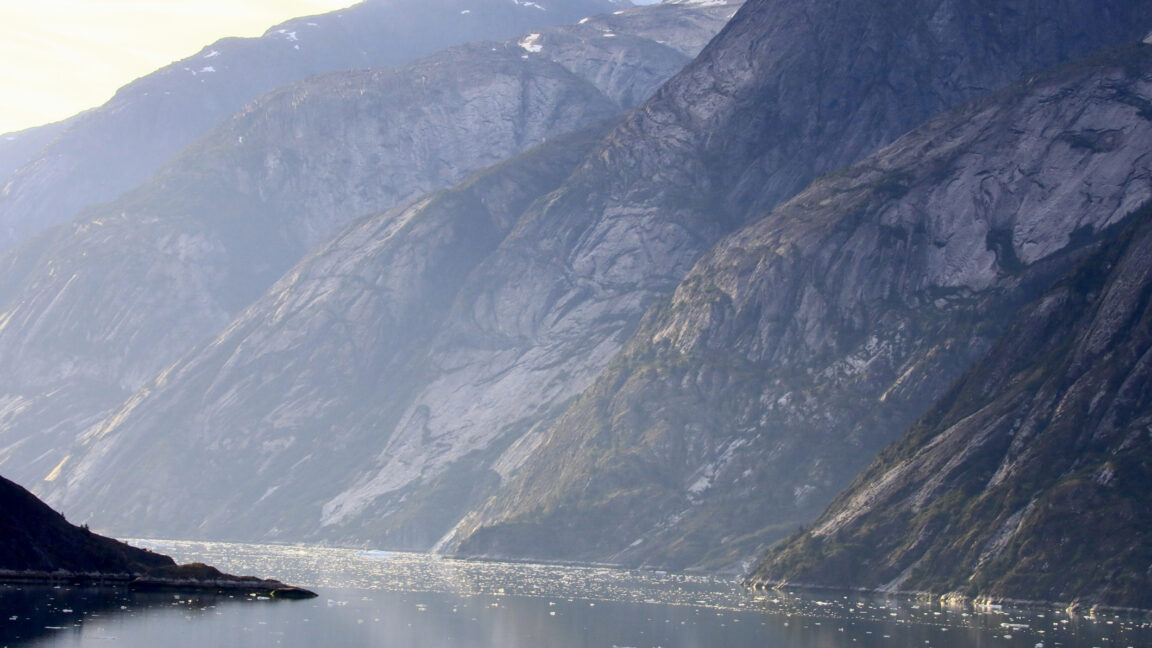
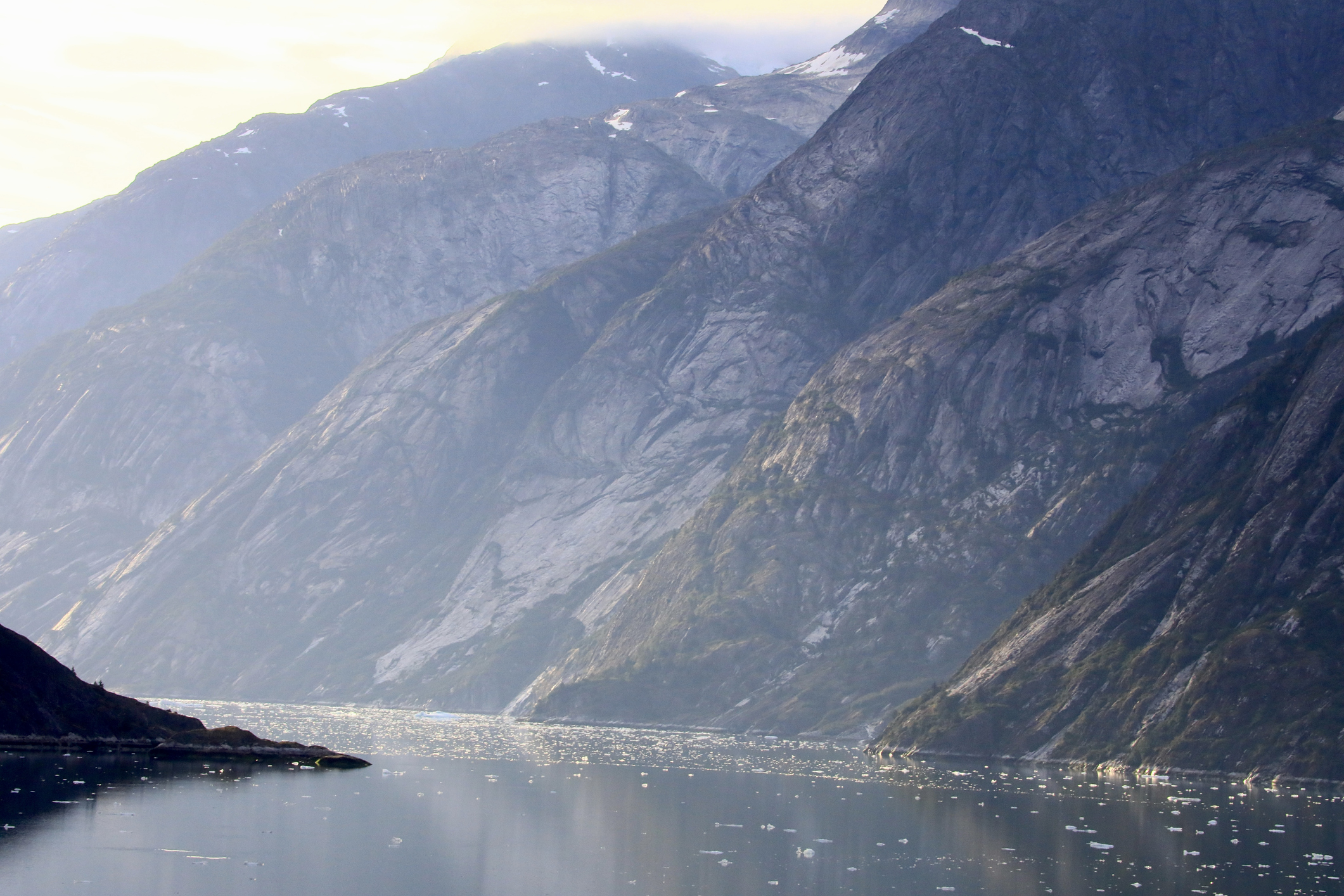
Just before dawn on August 10, 2025, a massive wedge of rock—measuring at least 63.5 million cubic meters—broke free from a mountain above Alaska’s Tracy Arm fjord. That’s enough material to fill over 25,000 Olympic-sized swimming pools. The slab detached without warning, plunging straight into the deep waters at the mouth of the South Sawyer Glacier. The sheer volume and speed of the falling rock displaced an enormous amount of water, setting the stage for a truly monstrous wave.
2. A 100-Meter Breaking Wave Racing at 70 m/s
The initial wave generated by the landslide was over 100 meters high at its crest—taller than the Statue of Liberty. It tore across the narrow fjord at speeds exceeding 70 meters per second, or roughly 250 kilometers per hour. When it slammed into the opposite shoreline, it didn't stop there: the water surged up the steep rocky slope, climbing hundreds of meters until it reached a staggering height of 481 meters above sea level. That’s higher than the Empire State Building.
3. The Second Highest Tsunami in History
According to Aram Fathian, a researcher at the University of Calgary who co-authored a detailed reconstruction of the event in Science, this tsunami was the second tallest ever documented on Earth. The record still belongs to the 1958 Lituya Bay megatsunami in Alaska, which reached 530 meters. But the Tracy Arm event comes very close, and its ferocity caught scientists off guard because few expected such an extreme wave in a region that sees regular glacial activity.
4. Why It Was a "Near-Miss" – No Casualties
Remarkably, nobody died or was injured in the Tracy Arm tsunami. The primary reason: it struck at 5:26 a.m. local time, when tourist boats and hikers were not yet active. If the landslide had occurred just a few hours later, when the area is popular with cruise ships fishing vessels and kayakers, the outcome could have been devastating. “Until now almost nobody heard about it because it was a near-miss event,” Fathian notes, emphasizing that future landslides in similarly busy areas might not be so forgiving.
5. How Landslide Tsunamis Differ from Earthquake Waves
Most tsunamis are caused by underwater earthquakes, which generate waves that rarely exceed a few tens of meters when they hit the shore. Landslide tsunamis are different. They are usually more localized, but far more violent. When millions of tons of rock crash into a confined body of water—like a narrow fjord or a lake—the direct displacement of the water column produces waves that can reach hundreds of meters. These are called megatsunamis. The variation in water depth and the sudden energy release make them especially dangerous.
6. A History of Extreme Tsunami Events
Geologists have recorded 27 landslide-generated tsunamis since 1925 that had runup heights exceeding 50 meters. Among them, the 1958 Lituya Bay event remains the tallest at 530 meters. Others include a 1963 wave in Italy’s Vajont Dam (250 m) and a 2017 wave in Greenland’s Karrat Fjord (90 m). These events show a pattern: as climate change melts glaciers and destabilizes mountain slopes, the risk of similar megatsunamis in populated regions is growing.
7. What This Means for the Future of Tourist Regions
Tracy Arm is a major tourist attraction, popular with cruise ships and adventure travelers. The 2025 tsunami was a wake-up call. Scientists are now urging authorities to install early-warning systems in fjords and steep-sided valleys where landslides are possible. Real-time monitoring of unstable slopes, sea-level gauges, and public-awareness campaigns could save lives. The next event might not happen at 5 a.m., and the consequences could be catastrophic.
In conclusion, the Tracy Arm landslide tsunami is a stark reminder that nature’s power can strike without warning even in an era of advanced technology. While we were lucky this time, the combination of climate change and increasing tourism in remote areas means we must prepare for the unthinkable. Understanding these seven facts is the first step toward better safety and resilience.