5 Sports Cars That Defy Depreciation: Better Than a Toyota Corolla?
When you think of a sports car, the first thing that comes to mind is often exhilarating speed and sleek design. But there's a downside: rapid depreciation. Most performance vehicles lose a significant chunk of their value as soon as new models hit the market. In contrast, practical cars like the Toyota Corolla are legendary for holding their value well. However, a select handful of sports cars break the mold, retaining their worth even better than the humble Corolla. In this Q&A, we explore why this happens and which models top the list.
Why do most sports cars depreciate so quickly?
The primary reason is the relentless pace of automotive advancement. Every year, manufacturers unveil faster, more technologically advanced models, making previous versions seem outdated. Additionally, sports cars often appeal to a niche audience who crave the latest and greatest, so used examples can sit on lots longer. High maintenance costs, expensive insurance, and limited practicality also curb demand in the used market. Unlike a Corolla, which is affordable to run and appeals to a broad demographic, a sports car's desirability plummets once its novelty fades. This perfect storm of factors means many sports cars lose 40–50% of their value in just three to five years.
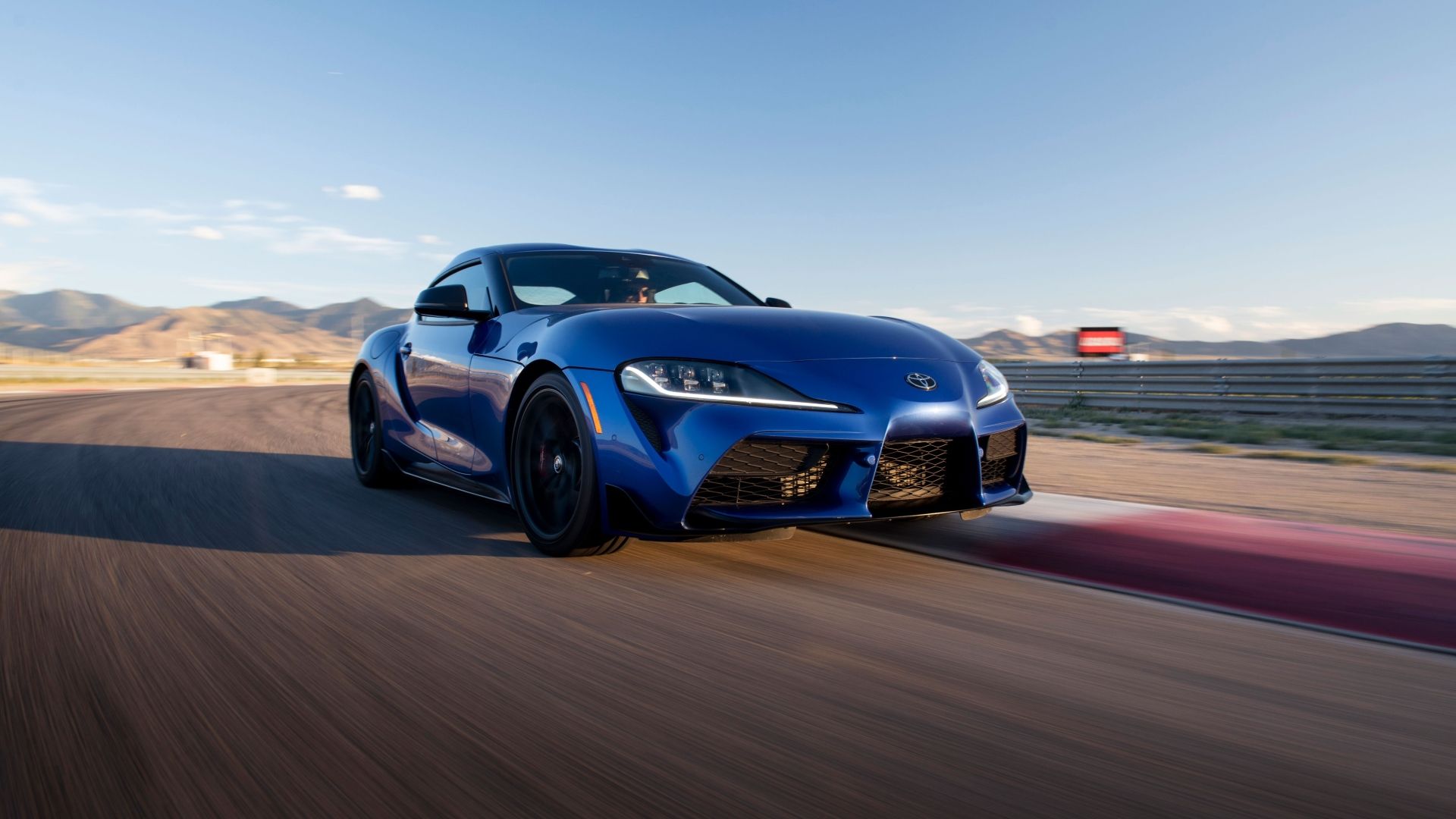
Which five sports cars hold their value better than a Toyota Corolla?
The five models that consistently outperform the Corolla in residual value are the Porsche 911, Mazda MX‑5 Miata, Subaru BRZ / Toyota GR 86, Nissan GT‑R, and Chevrolet Corvette (especially C7 and C8 generations). These cars benefit from strong brand loyalty, limited production runs, or a dedicated enthusiast following. For instance, the Porsche 911 retains value due to its iconic status and incremental updates, while the Miata stays affordable and fun, keeping demand high. The Subaru/Toyota twin combines low entry cost with rear‑wheel‑drive appeal, and the Nissan GT‑R's legendary performance holds pricing. The Corvette offers supercar performance at a bargain, making it a used‑market darling.
How does the Toyota Corolla compare to these sports cars in value retention?
The Toyota Corolla is renowned for its stellar resale value, typically losing only about 30–40% of its original MSRP after five years. However, the five sports cars mentioned often lose less than that—some even appreciate in certain conditions. For example, a well‑maintained Porsche 911 can retain up to 70% of its value after five years, thanks to its cult following. The Mazda MX‑5 Miata also hovers around the 60–65% mark. The Corolla's edge comes from its universal appeal and low cost of ownership, but in sheer percentage terms, these niche sports cars actually beat it. The key difference is that the Corolla's depreciation is predictable, while sports car values can fluctuate wildly based on market trends.
What makes the Porsche 911 such a value keeper?
The Porsche 911 is the gold standard for sports car resale value. Its secret lies in Porsche's conservative design philosophy—each new generation evolves rather than revolutionizes, so older models don't look dated. Additionally, the 911 is built to last, with robust engineering and a strong community of enthusiasts who maintain them meticulously. Limited editions like the GT3 RS can even appreciate over time. The car's prestige and brand cachet mean demand remains high even after decades. Finally, Porsche controls production carefully, avoiding the oversupply that hurts values for mass‑market sports cars. All these factors together allow a 911 to hold 70–80% of its value over five years, easily outclassing the Toyota Corolla.

Why does the Mazda MX‑5 Miata defy depreciation?
The Mazda MX‑5 Miata is a unique case: it's a pure, lightweight roadster that prioritizes driving joy over raw power. Its low starting price means it attracts a wide range of buyers—from first‑time sports car owners to seasoned collectors. The Miata's mechanical simplicity and reliability keep maintenance costs low, which appeals to budget‑minded drivers. Moreover, Mazda has maintained the same basic recipe for over three decades, creating a loyal fan base that snaps up used examples quickly. The car's practicality (convertible, decent trunk) also helps. After five years, a well‑cared‑for Miata can retain around 60–65% of its original value, outperforming the Corolla's typical 30% drop. Essentially, the Miata's fun‑per‑dollar ratio never goes out of style.
Are there any modern sports cars that have gone up in value?
Yes, a few modern sports cars have actually appreciated. The most notable is the Nissan GT‑R (R35), which held its value so well that early models now sell for more than their original MSRP. Limited‑production supercars like the Ferrari LaFerrari or Porsche 918 Spyder also appreciate, but those are hypercars. Among more attainable models, the Chevrolet Corvette C7 Z06 and Dodge Viper have seen values climb. The key factors are scarcity—whether from limited production runs or discontinued models—and a strong collector following. For instance, the manual‑transmission C7 Corvette now commands a premium because it's the last of its kind. Even the Toyota Corolla can't beat these outliers, but they are exceptions rather than the rule.
What should buyers look for when choosing a sports car for good resale value?
To maximize resale value, focus on models with strong brand reputation and a dedicated fan base. Look for limited production numbers or iconic designs that age well. Avoid high‑mileage examples or cars with unusual color/option combos that narrow the buyer pool. Stick to manual transmissions if possible—they're increasingly rare and command a premium. Also consider the car's maintenance history; a full service record assures buyers of its condition. Finally, be patient: buying a used sports car that's already taken its biggest depreciation hit can be smarter than buying new. Apply these principles, and you can enjoy both the thrill of a sports car and the peace of mind of solid value retention.