The Truth About Dying in Space: Debunking Sci-Fi Myths
Space is often portrayed as a swift, dramatic killer in science fiction—explosive decompression, instant freezing, boiling blood. But the reality is far more nuanced. While the vacuum is lethal, the timeline and sensations differ greatly from Hollywood's version. Let's explore common sci-fi scenarios and see what actually happens to the human body when exposed to the void.
Can you really explode in space like in movies?
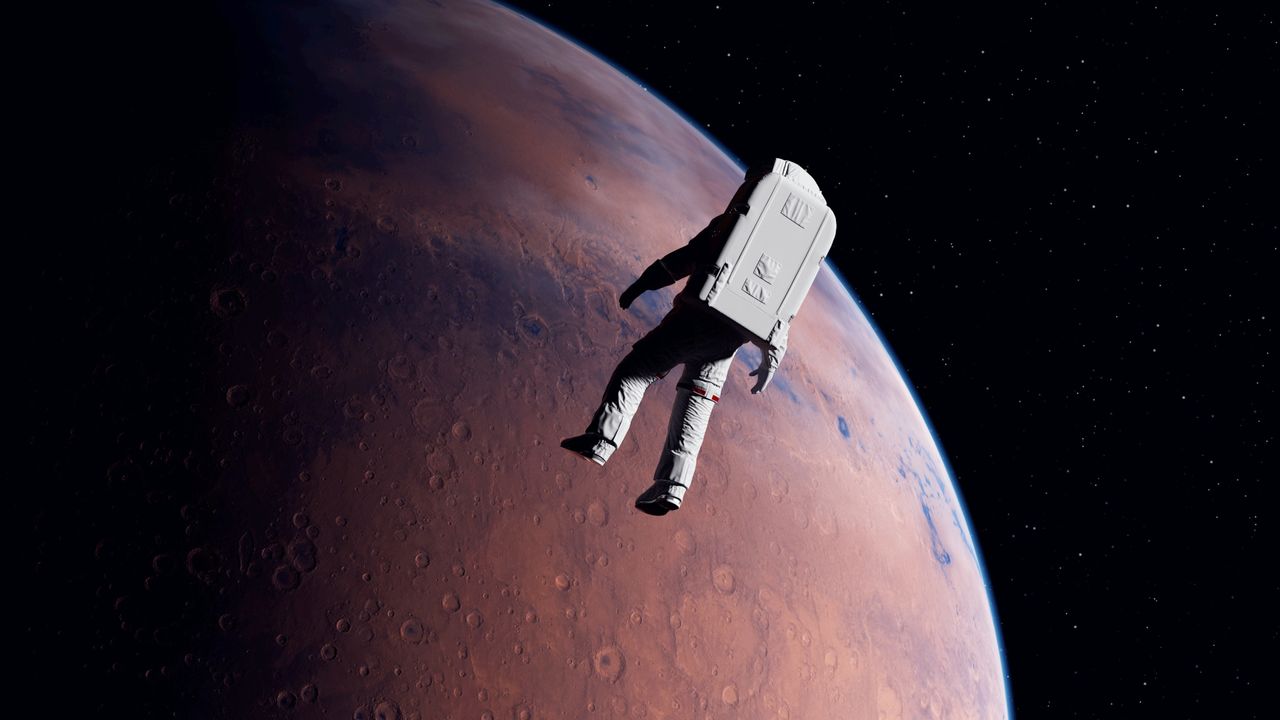
Contrary to dramatic scenes where astronauts burst like balloons, your body does not explode in the vacuum of space. Human skin is remarkably strong and elastic—it can withstand a pressure differential of about 1 atmosphere without rupturing. You would swell up from the loss of external pressure (a condition called ebullism, where fluids vaporize at body temperature), but the swelling is limited. Your body would expand to perhaps 1.5 times its normal size, but no explosion. The real danger is the formation of gas bubbles in bodily fluids (the bends), which can be fatal if not treated. So while you'd look puffy, you wouldn't pop like a balloon.
Would your blood boil in the vacuum of space?
Sci-fi often shows blood boiling instantly, but that's not accurate. Blood does not boil at normal body temperature because it is contained within your circulatory system, which maintains internal pressure. However, at the very low pressure of space, any liquid exposed to vacuum—like saliva on your tongue or moisture in your lungs—would boil rapidly. This would create a violent outgassing effect from the mouth and lungs, but your blood itself remains liquid. The boiling point of water drops to about 37°C (98.6°F) at the Armstrong limit (around 20 km altitude), but in deep space, the body's internal pressure keeps blood from boiling. Instead, you'd experience decompression sickness and swelling, but not boiling blood.
What happens if you take off your helmet?
Removing your helmet in space is a death sentence, but not as immediate as movies suggest. You would become unconscious in about 15 seconds due to lack of oxygen. Before that, you'd feel your saliva and tears boiling away, your tongue and lungs drying out. The sudden vacuum would also cause your eardrums to rupture if your ears aren't sealed. After about 30 seconds, brain damage begins, and death follows within 1 to 2 minutes if not recompressed. However, if you are rescued within about 90 seconds, full recovery is possible—as has been demonstrated in accidental vacuum exposure tests on animals and vacuum chamber mishaps. The key is quick repressurization.
Is it true that you'd freeze instantly?
No, instant freezing is a myth. In the vacuum of space, there is no air to conduct heat away, so the primary cooling mechanism is radiation—which is slow. A human body radiates heat at a rate of about 100 watts, similar to a light bulb. It would take hours to freeze solid. However, the real issue is evaporative cooling: the boiling of water on your exposed skin and lungs would cause rapid local cooling, possibly forming frost on your body. But core body temperature would only drop about 1°C per hour initially. You would die from lack of oxygen long before you freeze.
How long can you survive without a spacesuit?
The upper limit of survival in a vacuum without a spacesuit is about 2 minutes. The timeline is brutal: 0–10 seconds: you are conscious and may feel the swelling, but can still act. 10–15 seconds: unconsciousness due to lack of oxygen. 15–30 seconds: possible convulsions, eyes and mouth may feel dry. 30–90 seconds: severe decompression effects, irreversible damage if not repressurized. After 90 seconds, death is likely. In very low pressure environments (like 47 kPa, the Armstrong limit), survival time extends to about 3 minutes if you breathe pure oxygen. But in true vacuum, you have at most 1.5 minutes before fatal brain damage. Rapid rescue is the only hope.
What about being exposed to solar radiation?
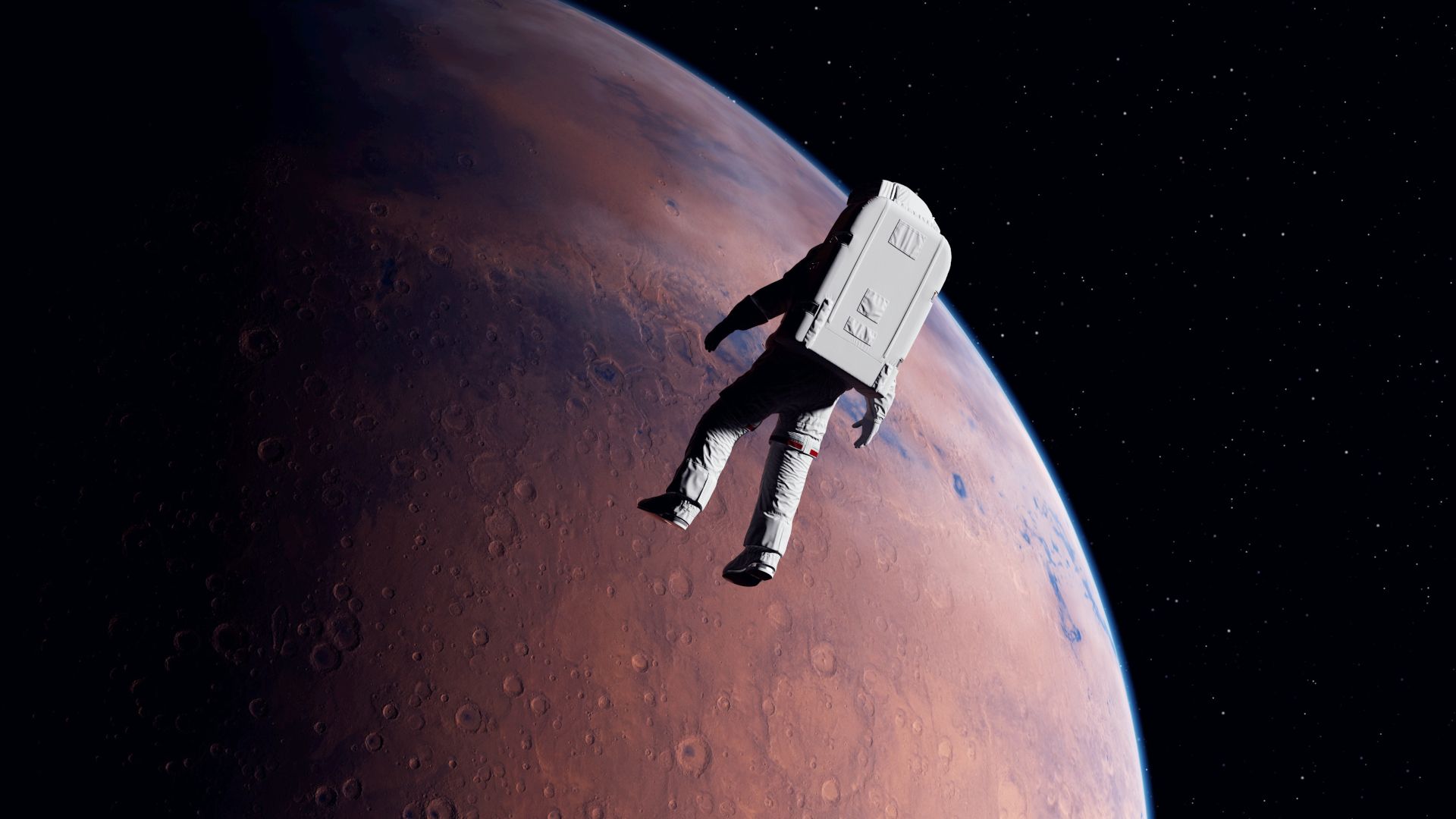
In deep space, without a suit or spacecraft shielding, solar radiation can be deadly quickly. Ultraviolet and X-rays from the Sun can cause severe sunburn within seconds, and cosmic rays (high-energy particles) increase cancer risk over time. However, for immediate death, the main threat is a solar flare or coronal mass ejection. A large flare can deliver a lethal dose of radiation in minutes, causing acute radiation syndrome: nausea, vomiting, bone marrow failure, and death within days. This is often overlooked in sci-fi, where characters just wear regular spacesuits. Real spacesuits have some shielding, but not enough for prolonged exposure during a flare. The survival time without a suit is dominated by vacuum before radiation becomes a factor.
Do space bodies decompose like on Earth?
Decomposition requires bacteria, moisture, and oxygen—all scarce in space. If a corpse is inside a suit or spacecraft, normal decay occurs as long as oxygen and bacteria are present, but it would be faster due to temperature? Actually, in the vacuum, the body would first dry out from water loss. Then, without oxygen, putrefaction (anaerobic decomposition) would happen very slowly. If exposed directly to space, the body would mummify: freeze-dried by evacuation and solar UV radiation. In permanent shadow (like deep space), it would freeze solid and remain preserved for millions of years. In direct sunlight, it would be rapidly desiccated and eventually disintegrate by cosmic radiation and micrometeoroids. Creepy but true.
What's the most realistic way to die in space?
The most probable death in space—based on historical accidents—is asphyxiation or decompression. The Soyuz 11 tragedy in 1971 killed three cosmonauts when a valve opened during reentry, causing rapid depressurization; they died within 30 seconds. Next likely is being struck by a micrometeoroid or orbital debris, which could puncture a suit or ship. Fire inside a spacecraft is another realistic scenario (Apollo 1). In deep space exploration, radiation exposure from solar flares or galactic cosmic rays is a serious long-term risk. Suffocation from a suit malfunction (e.g., oxygen tank failure) is also common. Sci-fi glorifies explosive endings, but real space deaths are quiet, swift, and often preventable.