7 Critical Security Updates That Demand Your Attention This April 2026
April 2026's Patch Tuesday has arrived with a bang, bringing a record-breaking flood of security fixes from Microsoft, plus urgent updates from Google and Adobe. With 167 vulnerabilities patched in Windows and related software—including an actively exploited SharePoint Server zero-day and a publicly disclosed Windows Defender flaw dubbed “BlueHammer”—the message is clear: update now or risk serious compromise. Meanwhile, Google Chrome has fixed its fourth zero-day of the year, and Adobe released an emergency patch for a Reader bug already being exploited in the wild. Below, we break down the seven most critical actions you need to take this month.
1. Microsoft Sets a New Patch Record with 167 Fixes
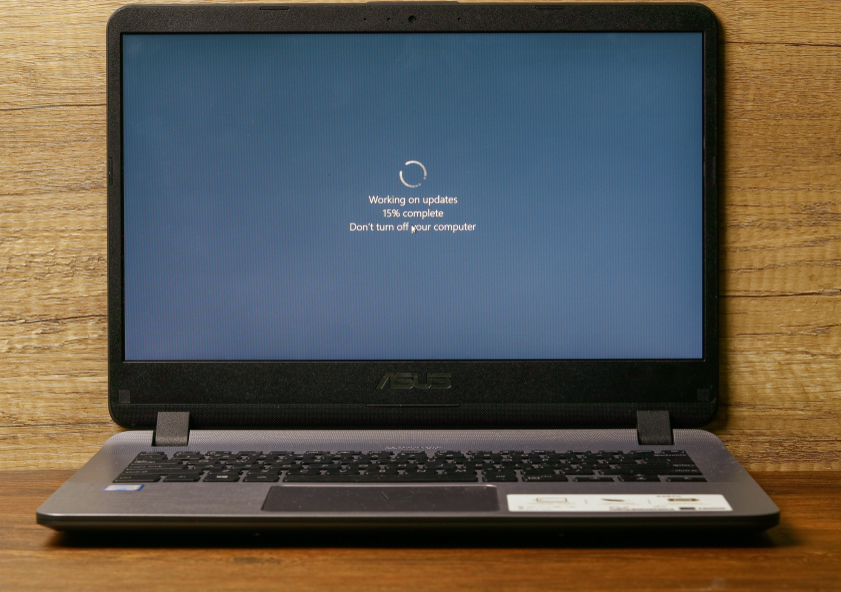
Microsoft's April 2026 security update is the second-largest in history, addressing 167 vulnerabilities across Windows, Office, Edge, and other products. Nearly 60 of these bugs affect Microsoft’s Edge browser, which shares the Chromium engine with Google Chrome. This spike in browser-related fixes is partly attributed to increasing use of AI in vulnerability discovery, as noted by experts. The sheer volume underscores the importance of ensuring all Windows systems are fully updated. Learn more about the role of AI in vulnerability reporting later in this list.

2. SharePoint Server Zero-Day Under Active Attack (CVE-2026-32201)
Attackers are already exploiting CVE-2026-32201, a spoofing vulnerability in Microsoft SharePoint Server. This flaw lets malicious actors present fake trusted content or interfaces within SharePoint environments, making it a potent tool for phishing and social engineering. Mike Walters, president and co-founder of Action1, warns that it can deceive employees, partners, or customers, leading to unauthorized data manipulation or further compromise. If your organization uses SharePoint, apply this patch immediately.
3. BlueHammer: Windows Defender Flaw Finally Patched (CVE-2026-33825)
The “BlueHammer” vulnerability (CVE-2026-33825) is a privilege escalation bug in Windows Defender. After the researcher who discovered it grew frustrated with Microsoft’s response, they published exploit code publicly—a move that forced Redmond to act. Will Dormann, senior principal vulnerability analyst at Tharros, confirmed that installing today’s patches neutralizes the public exploit. Nonetheless, this incident highlights the risks when disclosure timelines stretch too long. Update Windows Defender and the OS to block this attack vector.
4. Google Chrome Patches Its Fourth Zero-Day of 2026
Google Chrome has fixed yet another zero-day vulnerability in 2026—the fourth already this year. While specific details of the latest flaw are being kept under wraps to protect users, the takeaway is simple: make sure your Chrome browser is up-to-date. Attackers often target Chrome due to its widespread use, and the rapid succession of zero-days indicates that threat actors are heavily investing in browser exploits. Restart Chrome completely after updating to ensure the fix takes effect.
5. Adobe Reader Emergency Fix for Actively Exploited Flaw (CVE-2026-34621)
Adobe released an emergency patch on April 11 for CVE-2026-34621, a critical remote code execution vulnerability in Adobe Reader. Satnam Narang of Tenable notes that this flaw has been actively exploited since at least November 2025, meaning attackers have had months to leverage it. If you use Adobe Reader, apply the update immediately. The bug can allow an attacker to take control of a system simply by getting you to open a malicious PDF file.
6. AI-Driven Vulnerability Discovery Raises Concerns
The record number of browser patches this month has led security researchers to point to AI as a driving force. Adam Barnett of Rapid7 suggests that the recent announcement of Anthropic’s Project Glasswing—a new AI tool designed to find software bugs—may be sparking increased reporting. “We should expect to see further increases in vulnerability volume as AI models extend both in capability and availability,” Barnett says. While AI can help defenders, it also arms attackers. Stay prepared for a new normal of higher patch counts.
7. The One Simple Step to Stay Safe: Restart Your Browser
No matter which browser you use—Edge, Chrome, Firefox, or another—a critical final step after applying updates is to completely close and restart the browser. Many security updates, especially for the browser itself, become active only after a full restart. Simply refreshing tabs is not enough. Make a habit of checking for browser updates regularly and rebooting the browser to ensure the fixes are in place.
Conclusion: April 2026’s Patch Tuesday is a stark reminder of the cybersecurity landscape’s growing complexity. With 167 Microsoft fixes, an actively exploited SharePoint flaw, a public Windows Defender exploit, and multiple zero-days in Chrome and Adobe Reader, there’s no room for delay. Apply all updates immediately, restart your browser, and stay vigilant for the next wave of threats. Cybercriminals are counting on procrastination—don’t let them win.